
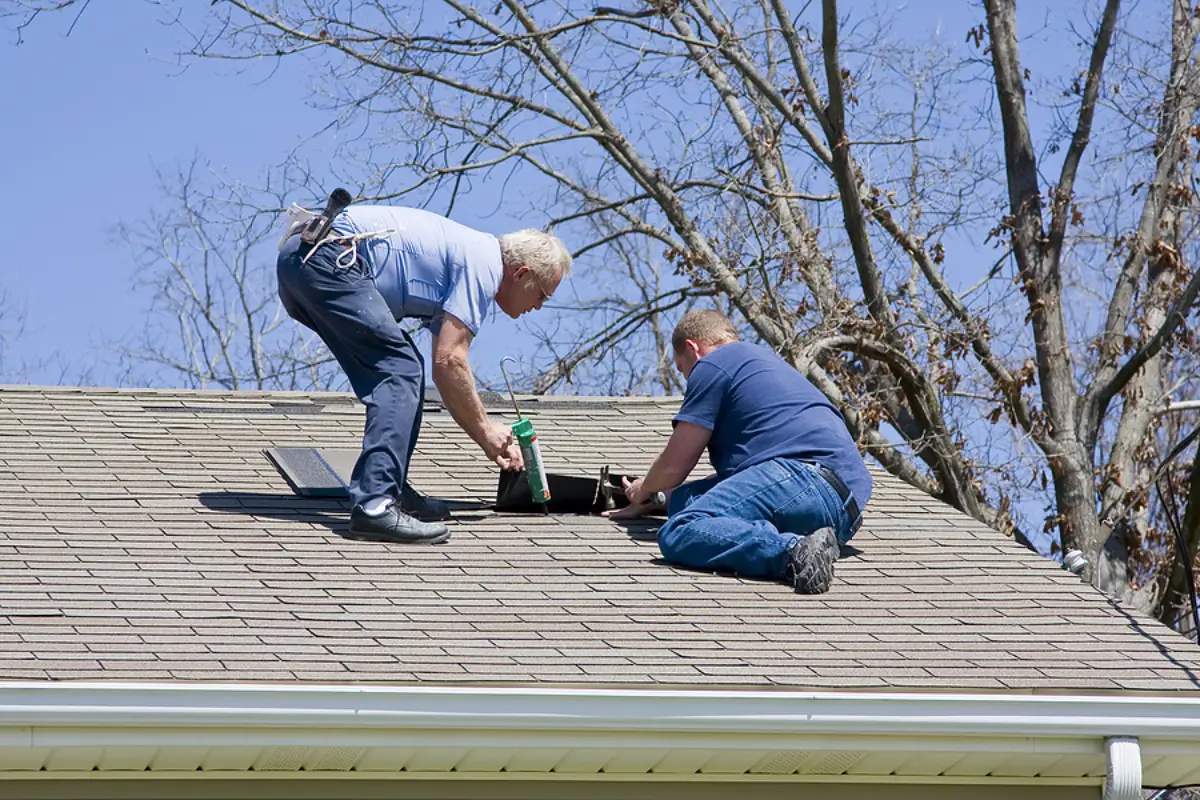
It’s easy to brush off a repair that comes back once or twice. Over time, though, those repeated issues start forming a pattern that’s hard to ignore. Looking closely at trends through our maintenance planning approach can help you understand why recurring minor repairs continue to surface.
In Riverdale’s residential rental market, these repeated fixes often reveal more than simple wear and tear. They signal inefficiencies that affect cost, performance, and tenant experience. When patterns are identified early, it becomes easier to shift from constant repairs to long-term solutions.
Key Takeaways
- Recurring minor repairs often signal deeper system inefficiencies
- Temporary fixes increase long-term maintenance costs
- Delayed upgrades lead to frequent breakdowns
- Reliable repairs improve tenant satisfaction
- Proactive strategies reduce overall property expenses
Why Recurring Minor Repairs Point to Larger Issues
Treating each repair as an isolated event can make it harder to see what’s really happening. When the same problem keeps returning, it usually means the root cause hasn’t been fully resolved.
Instead of focusing only on the visible issue, it’s important to step back and review patterns over time. Evaluating how tenant concerns shape decisions can also highlight how recurring problems affect overall performance.
Common Patterns That Should Raise Concern
Some maintenance issues tend to repeat more often:
- Plumbing clogs that return shortly after service
- HVAC systems that struggle to maintain steady performance
- Electrical problems that persist after repairs
When these patterns appear, they point to deeper inefficiencies that need attention.
Repeated Repairs Increase Costs Faster Than Expected
Individual repairs may seem manageable, but repeated service calls can quickly increase your maintenance budget.
Each visit includes labor, materials, and coordination. When the same issue comes back, those costs multiply. Data shows that median housing expenses reached $2,035 in 2024, highlighting how ongoing costs continue to rise.
Why Short-Term Fixes Become Expensive
Temporary repairs often solve the immediate problem without addressing the root cause. This leads to repeated work and higher long-term expenses.
- Labor costs increase with each visit
- Replacement parts add up over time
- Delays allow issues to worsen
Working with trusted vendors through contractor partnership benefits can help reduce repeat issues and improve repair quality.
Delaying Upgrades Leads to Ongoing Inefficiency
Holding off on system upgrades may seem like a cost-saving decision. In reality, older systems often break down more frequently and operate less efficiently.
As equipment ages, it requires more attention. This creates a cycle where repairs increase without improving performance. Addressing these issues early helps prevent ongoing disruptions.
Long-Term Effects of Delayed Improvements
- Increased repair frequency
- Higher utility costs from inefficient systems
- Shortened lifespan of equipment
- Greater risk of unexpected failures
Investing in sustainable property upgrades can reduce recurring issues and improve overall efficiency.
Tenant Satisfaction Declines When Problems Repeat
Tenants expect repairs to last. When the same issue returns, it creates frustration and uncertainty.
Even if maintenance is handled quickly, repeated problems affect how tenants view the property. Over time, this can reduce trust and satisfaction.
Signs Tenants Are Losing Confidence
- Repeat complaints about the same issue
- Increased frustration during service requests
- Lower satisfaction despite timely responses
Providing reliable, long-lasting solutions helps maintain a positive tenant experience.
Turnover Risks Increase with Ongoing Maintenance Issues
Recurring minor repairs often influence whether tenants choose to stay or move out. Even small inconveniences can affect their decision over time.
Higher turnover creates additional costs. Vacancy periods, marketing, and preparation all impact your bottom line. Frequent tenant changes also increase wear on the property.
Research shows that housing repair costs reached $198.4 billion in a single year, largely driven by repeated and unresolved issues.
Why Reliable Maintenance Supports Retention
Tenants are more likely to stay when they feel confident that repairs are handled properly. Consistent maintenance creates a more stable living experience.
Tracking financial performance through a property return calculator helps connect maintenance decisions to long-term results.
Creating a More Efficient Maintenance Strategy
Breaking the cycle of recurring minor repairs requires a shift in approach. Instead of reacting to issues, focus on prevention and long-term solutions.
Steps to Improve Maintenance Efficiency
- Track repair history to identify patterns
- Investigate root causes instead of symptoms
- Replace systems when repairs become frequent
- Schedule preventive maintenance regularly
- Work with vendors who focus on long-term fixes
A rental performance review can also help uncover inefficiencies and guide better decisions.
Why Better Oversight Leads to Better Results
Effective maintenance management requires clear oversight. Tracking repair data and reviewing outcomes helps you make informed decisions about when to repair or replace systems.
Access to owner support tools provides better visibility into property performance. This allows you to identify recurring issues early and adjust your strategy.
With improved oversight, you can reduce repeated disruptions and improve overall efficiency.
FAQs about Recurring Minor Repairs in Riverdale, GA
Why do some maintenance issues return even after being fixed properly?
Even well-done repairs can fail if the underlying system is worn or stressed. When components are near the end of their lifespan, fixing one part may not prevent related issues from resurfacing shortly after.
Can recurring minor repairs affect how quickly a property rents?
Yes, visible maintenance problems or negative tenant feedback can make a property less appealing to prospective renters. Consistent issues may signal poor upkeep, which can slow down leasing and reduce overall interest.
Are recurring repairs more common in multi-unit properties?
They can be, especially when multiple units share systems like plumbing or electrical lines. If one part of the system fails, it may impact other units, causing similar issues to appear repeatedly across the property.
How can better vendor selection reduce repeat repairs?
Working with experienced vendors who focus on long-term solutions can improve repair quality. Skilled professionals are more likely to identify root causes, reducing the chance of issues returning after the initial fix.
What role does property age play in recurring maintenance issues?
Older properties tend to experience more recurring problems due to aging materials and outdated systems. Without timely upgrades, wear and tear can lead to repeated breakdowns that require more frequent attention.
Build Stability Into Your Rental Strategy
Repeated repairs don’t resolve themselves, and letting them continue often leads to higher costs and ongoing disruptions. Focusing on long-term solutions helps create a more stable and efficient property.
At PMI South Atlanta, we take a proactive approach to identifying and resolving recurring issues at their source. This helps improve tenant satisfaction and protect your investment over time.
Ready to move beyond repeat problems and improve performance? Solve recurring maintenance challenges with PMI South Atlanta and keep your Riverdale rental operating at its best.