
Daily operations reveal more than projections ever will. Once leases are active and maintenance cycles begin, the difference between properties that cooperate and those that resist becomes obvious, especially when remote ownership realities shape how investors stay involved without being physically present.
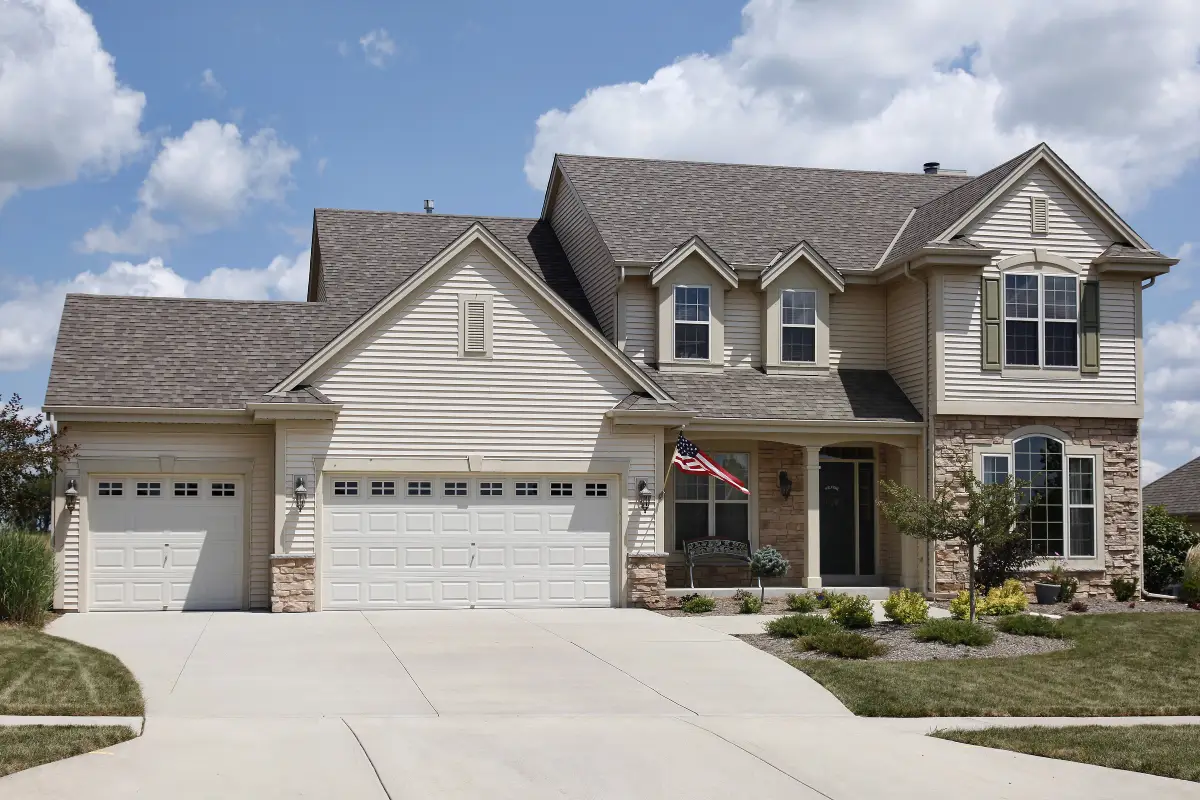
For strictly residential investors in Riverdale, single-family homes often prove easier to work with over time. Their structure limits shared complications, keeps expenses easier to anticipate, and connects demand directly to neighborhood appeal. Below, we break down why single-family rentals continue to anchor residential portfolios in Riverdale, and how we at PMI South Atlanta help owners turn that consistency into measurable results.
Key Takeaways
- Single-family rentals reduce daily operational strain by limiting shared spaces.
- Riverdale tenants often stay longer when homes support privacy and routine.
- Neighborhood-based demand helps stabilize rental pricing.
- Maintenance planning remains clearer without shared systems.
- Residential portfolios can expand steadily with single-family properties.
Lower Density Reduces Day-to-Day Friction
The way a property is built influences how often issues surface and how complex they become. Single-family rentals usually involve fewer variables because one household occupies the entire structure.
Fewer shared living disputes
Multifamily environments create repeated interaction points through parking areas, hallways, and common amenities. Those shared spaces often generate complaints that require owner involvement. Detached homes reduce these pressure points, allowing residents to operate independently.
Cleaner accountability
When a maintenance concern arises, responsibility is easier to identify. Without shared infrastructure or communal areas, repairs remain isolated, which speeds up resolution and simplifies documentation.
Outdoor Space That Supports Lease Stability
Outdoor space often carries more weight for renters than advertised amenities. In Riverdale, many households prioritize having room they can use freely without coordination.
Here are a few outdoor features that frequently encourage longer stays:
- Private yards that support pets, relaxation, or gatherings
- Driveways that simplify parking and daily logistics
- Porches and patios that extend usable living space
Homes that function well beyond their interiors often see stronger renewal rates.
Layout Flexibility That Keeps Homes Relevant
Single-family rentals tend to hold tenants longer because the space adapts as needs change. Life rarely stays static, and homes that adjust tend to perform better.
Practical room to shift
Extra bedrooms, defined living areas, and storage options allow tenants to reconfigure their routines. A spare room becomes a home office, or a dining area becomes a study space, without forcing a move.
Strategic property planning
Owners who align purchases with long-term performance often benefit from reviewing investment success strategies that account for layout functionality rather than surface-level appeal.
Pricing Stability Rooted in Local Demand
Multifamily properties often face internal competition when similar units become available simultaneously. That environment can pressure pricing and shorten leasing windows.
Single-family homes operate differently. They are evaluated based on neighborhood appeal, condition, lot size, and parking availability, which allows pricing to reflect the individual property.
National data reinforces demand for detached housing, with the median existing single-family home price reaching $426,800 in the third quarter of 2025, signaling continued interest in private living arrangements that often carry into rental demand.
Maintenance Planning Without Shared Infrastructure
Maintenance responsibilities tend to feel more predictable in single-family rentals because repairs usually affect only one household.
Easier long-term forecasting
With one HVAC system, one roof, and one plumbing network, replacement timelines are easier to track. This clarity supports more accurate budgeting and fewer emergency responses tied to shared system failures.
Routine planning often includes seasonal HVAC servicing, exterior inspections after storms, and appliance replacement based on age. Clear reporting also plays a role, which is why understanding management report details helps owners stay informed without micromanaging.
Less Direct Competition When Leasing
Apartment-style rentals frequently compete with nearly identical units within the same building. That setup can create price sensitivity and faster turnover.
Single-family homes usually enter the market individually. Differences in layout, street placement, and lot size reduce direct comparisons and help listings stand out.
Rental trends reflect this advantage, with single-family rents reported as 20% higher than multifamily rents, highlighting how renters continue to place value on space and privacy.
Insurance and Risk That’s Easier to Define
Risk assessment often feels more straightforward with single-family rentals. Fewer shared areas mean fewer gray zones when evaluating coverage needs.
Defined exposure
Detached homes limit shared liability points like stairwells and communal amenities. This structure helps owners align insurance coverage with actual risk and maintain consistency across residential portfolios.
Growth That Matches a Residential Focus
Single-family rentals allow investors to expand gradually while refining systems along the way.
Financing considerations
Residential financing options often support steady expansion rather than large-scale acquisitions. Familiarity with local financing options helps owners plan acquisitions without stretching resources too thin.
Evaluating alternative opportunities
Some investors also consider properties needing repositioning. In those cases, understanding distressed property paths can support informed decisions when aligned with long-term goals.
How we support residential owners
At PMI South Atlanta, we focus strictly on residential management. We help owners coordinate leasing, maintenance, and communication so properties remain efficient and resilient across Riverdale.
FAQs about Single-Family Rentals in Riverdale, GA
How do single-family rentals in Riverdale handle wear and tear differently than apartments?
Wear is typically easier to monitor because use is limited to one household, which helps owners spot gradual issues early and address them before they turn into larger, more costly repairs.
What makes single-family rentals appealing to long-term residents in Riverdale, GA?
Many renters value having control over their space, predictable surroundings, and fewer neighbors, which creates a stronger sense of stability and encourages longer stays.
How does leasing strategy differ for single-family homes versus multifamily units in Riverdale, GA?
Single-family leasing often focuses more on household fit and long-term reliability rather than rapid turnover, which can influence screening priorities and renewal conversations.
What role does parking availability play in Riverdale single-family rental demand?
Dedicated parking or driveways reduce daily friction for residents, especially in multi-vehicle households, making properties with clear parking arrangements more attractive during the search process.
Why do some investors prefer single-family rentals when building smaller portfolios in Riverdale, GA?
Single-family properties allow investors to scale gradually, maintain clearer oversight, and adjust systems incrementally without managing multiple units under one structure.
Where Riverdale Portfolios Gain Traction
Momentum in residential investing often comes from properties that cooperate under real conditions rather than demanding constant correction. Single-family rentals in Riverdale give owners the ability to plan confidently, manage expenses with clarity, and grow at a pace that stays sustainable.
At PMI South Atlanta, we help residential investors turn structure into stability. Strengthen your next investment step and put a clear, residential-focused strategy into motion.